Thursday, 2 April 2015

Evaluation Q.6 What have you learned about technologies from the process of constructing this product?
Through the filming of our media product we used multiple technologies This includes different hardwares (Such as a camera, microphone or tripod), softwares (Such as Premiere Pro or Photoshop) or websites (Such as Youtube or Blogger) in the four stages of the media product: Research, Planning, Construction and Evaluation.
Software
 Blogger
We used Blogger throughout the development of the media production, but mainly in the Research group. Practically all of the research that we did we documented on Blogger. We also used Blogger for the majority of the other groups, and even the posts that used other softwares were still put onto Blogger, making every single piece of work is on the Blogger site, making it the most used website in this production.

Google
Google was used primarily to research in the 'Research' group. Mainly the function of Google was to look up images to help liven up a blog. We did also use it in 'Planning' in the Location Sheet, where Google Maps was used to find the outside of the house we used to shoot the film.

YouTube
We used YouTube in our preparation, construction and evaluation mainly to upload footage to, or to look back at the footage. It was also useful for the screening, as the people watching could easily rewatch certain scenes that they enjoyed or were partially confused about. It also made the film easy to access, meaning that we could watch it multiple times at multiple different locations.

Adobe Premiere Pro Cs6
Adobe Premiere Pro Cs6 is the editing software that our group used to edit any film work that we did, including the Preliminary task, the Animatic and the finished Thriller Opening. The editing software was used in the Research, Construction, Planning and the Evaluation stages of the production of the opening.

Google Images
Google Images was used in the Construction stage to find the images used in our Ident, an ocean at night with the moon above.
FreeSFX
 FreeSFX is a site that we used to add different sound effects and music to the scenes, all copyright free. The use of the website definitely improved the media product on the Preliminary task, as it created a more realistic and natural setting, as well as adding a layer of eeriness to the scene through merging creaking noises to the door opening.
Hardware
Tripod
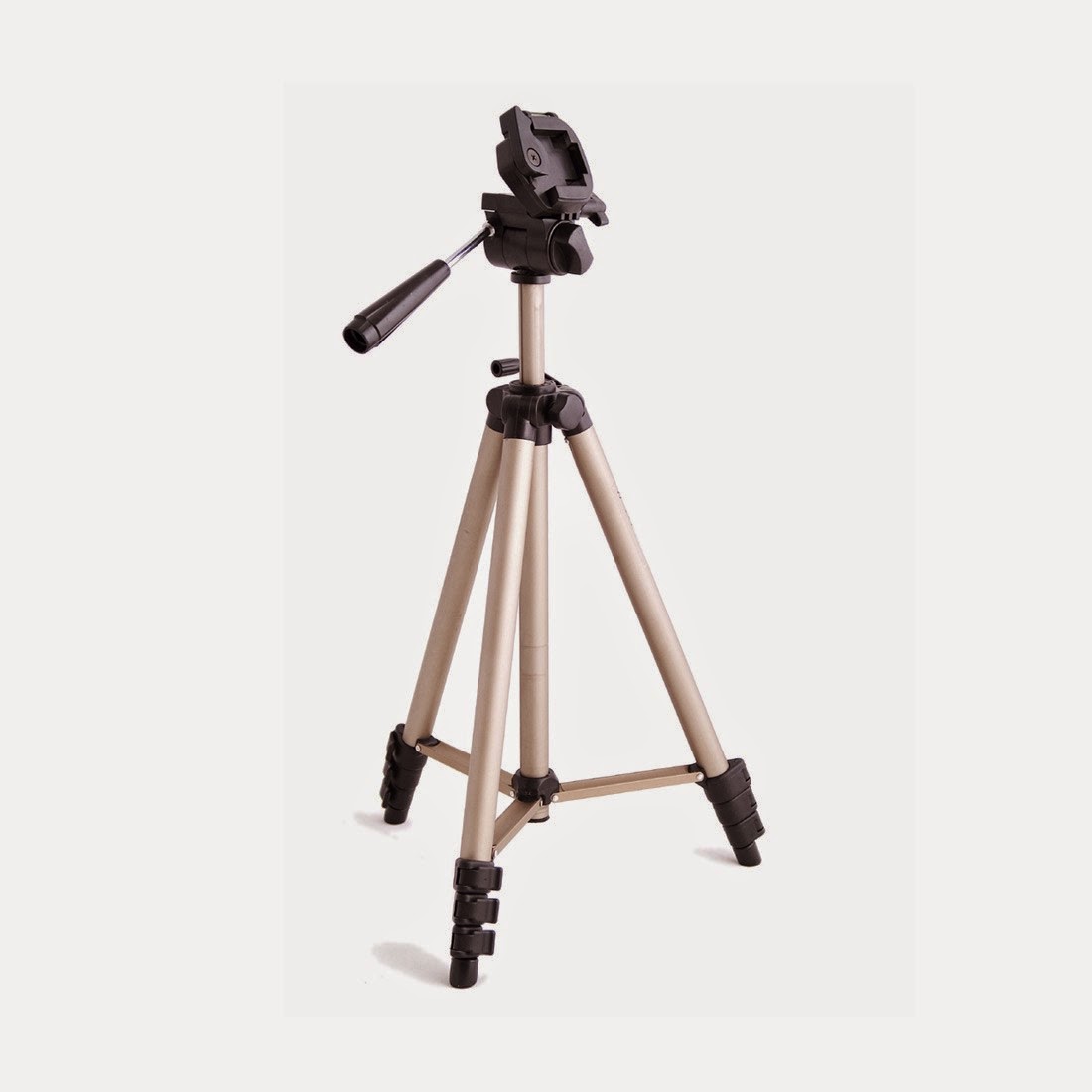 The tripod is a piece of equipment that stabilises the camera while recording, minimising the amount of camera sway created mainly by human error. This makes the shots seem more professional, and adds to the level of immersion. We used a tripod for filming our finished Media product, making the overall quality of the film better.
Camera
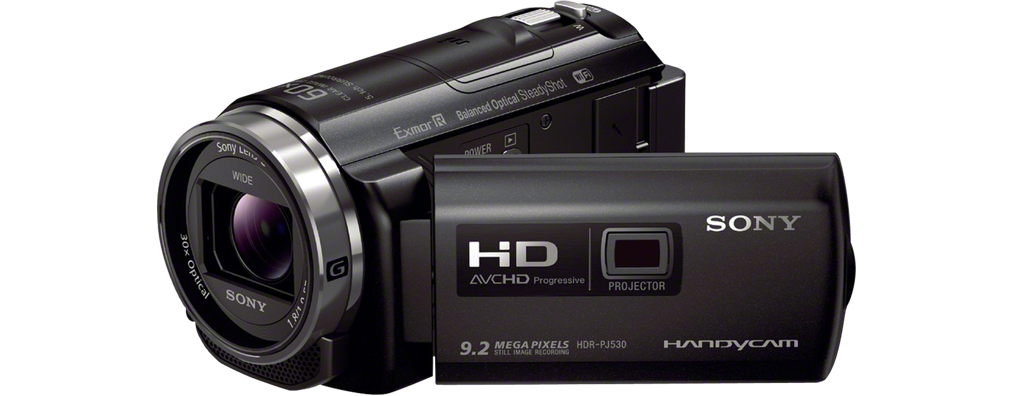
The camera we used was for capturing the video used for the film, and while we could have used it for capturing the sound, we instead used an actual boom mic for a better sound quality. The camera in general is a decent quality for recording, and made the filming fairly easy to use and control.
 Boom mic
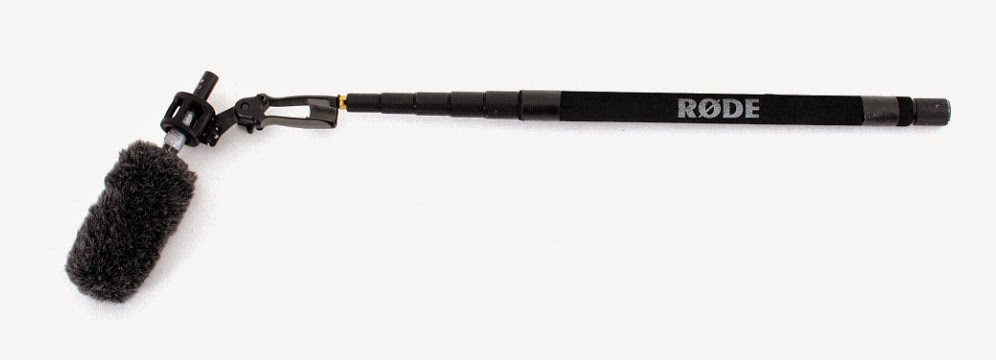
The boom mic was used in order to improve the audio quality in the film, with a 'Dead Cat' over it to negate most strong wind sound. We used it in the final Media Product during the scenes showing Destiny talking in order to get the best possible quality in his speech.
 Headphones
The headphones were used during the filming of the opening in order for the person in charge of sound to monitor the audio in better quality, and could easily tell us if there is any interference in the audio such as wind blocking dialogue or is a person is speaking in the background being picked up by the sensitive microphone.
Overall, we have gained a great understanding of the technologies that were used in the Thriller Opening, especially compared to the preliminary task. We managed to create a more professional looking film opening through gaining experience in most of the hardwares, and we managed to maximise the efficiency that the film took to create using different softwares and websites.
Software
BloggerWe used Blogger throughout the development of the media production, but mainly in the Research group. Practically all of the research that we did we documented on Blogger. We also used Blogger for the majority of the other groups, and even the posts that used other softwares were still put onto Blogger, making every single piece of work is on the Blogger site, making it the most used website in this production.
Google was used primarily to research in the 'Research' group. Mainly the function of Google was to look up images to help liven up a blog. We did also use it in 'Planning' in the Location Sheet, where Google Maps was used to find the outside of the house we used to shoot the film.
YouTube
We used YouTube in our preparation, construction and evaluation mainly to upload footage to, or to look back at the footage. It was also useful for the screening, as the people watching could easily rewatch certain scenes that they enjoyed or were partially confused about. It also made the film easy to access, meaning that we could watch it multiple times at multiple different locations.
Adobe Premiere Pro Cs6
Adobe Premiere Pro Cs6 is the editing software that our group used to edit any film work that we did, including the Preliminary task, the Animatic and the finished Thriller Opening. The editing software was used in the Research, Construction, Planning and the Evaluation stages of the production of the opening.
Google Images
Google Images was used in the Construction stage to find the images used in our Ident, an ocean at night with the moon above.
FreeSFX
Hardware
Tripod
The tripod is a piece of equipment that stabilises the camera while recording, minimising the amount of camera sway created mainly by human error. This makes the shots seem more professional, and adds to the level of immersion. We used a tripod for filming our finished Media product, making the overall quality of the film better.Camera
The camera we used was for capturing the video used for the film, and while we could have used it for capturing the sound, we instead used an actual boom mic for a better sound quality. The camera in general is a decent quality for recording, and made the filming fairly easy to use and control.
Boom micThe boom mic was used in order to improve the audio quality in the film, with a 'Dead Cat' over it to negate most strong wind sound. We used it in the final Media Product during the scenes showing Destiny talking in order to get the best possible quality in his speech.

The headphones were used during the filming of the opening in order for the person in charge of sound to monitor the audio in better quality, and could easily tell us if there is any interference in the audio such as wind blocking dialogue or is a person is speaking in the background being picked up by the sensitive microphone.
Overall, we have gained a great understanding of the technologies that were used in the Thriller Opening, especially compared to the preliminary task. We managed to create a more professional looking film opening through gaining experience in most of the hardwares, and we managed to maximise the efficiency that the film took to create using different softwares and websites.


Wednesday, 1 April 2015
Finished Film- Patience
This is our final thriller opening, Patience. The film is about one person, later discovered to be the antagonist, kidnapping another person, soon to become the protagonist.
Thriller titles
After the IDENT use a FADE IN. The titles should then be in the following order:
(1) 'Your Production Company' Presents
(2) A Film by 'One name - usually the director'
(3) Starring or With
(4) Male star
(5) Female star or other way round
(6) Title of film - or could be at the end
(7) Also starring - 2/3/names - each on separate title
(8) Then 3/4/5 of the following - you choose - each on separate title Editing Music Cinematography or Director of Photography Casting Set Designer Costume Designer Script
(9) Then Producer(s) - can be more than one
(10) Always finish with Director - one name, usually the same as A Film By ...
(11) Could put title here Remember to use LiveType and try to make titles interesting. They can be either over black or superimposed over your film. Space them out over the two minutes of the film.Give the audience plenty of time to read the titles.
(12) Finish with a fade out & fade music out
Se7en
The Se7en title sequence is rather unique in its style of showing the audience the cast and crew of the film.
In order, the appearances in the sequence goes:
- No Idents (this keeps the theme of the sequence)
- New Line Cinema Presents
- An Arnold Kopelson Production
- A Film By David Fincher
- Morgan Freeman
- Seven (also kept with the theme of the opening)
- Gwyneth Paltrow
- John Cassini, Reginald E.Cathey Peter Crombie
- Many shots for other people such as editing, sound and costume
- Produced By Arnold Kopelson & Phyllis Carlyle(these are only a few producers of many; These are the leaders)
- Directed By David Fincher
The opening shows a man who has not been introduced to us yet removing dead skin from his fingers with a razor. This obviously seems a weird thing for a man to do, keeping the sense of tension and confusion with the audience until we understand why he is doing this. A razor blade is a strange tool to use for this already strange act, and is used to add a sense of violence and danger to the scene.
Psycho
Psycho's opening scene is very effective in putting across its message for the film. This is due to the name of the film being linked to mental unbalance, and the use of the sliding and changing bars ti bring in names and taking away parts of the names at different times would suggest almost an incompleteness about the scene. Not only this, but the constant slight shaking of the names fits well with the films plot, as the shaking would imply an energy or unstable quality to the names, relating to the plot by making the main character constantly seem strange and uncomfortable in many scenes. Not only this, but the musical score to accompany the visual placements suggests an uneasy or rushing tone, once again corresponding with the plot of the film.
Screening
The screening took place at different times between showing my family at home and my friends at school or during my free time. A total of seven people were shown the opening, and after i asked for them to fill out a survey to collect their opinions.
Audience feedback
I showed the finished media product to a small number of people, including some family and some friends. Generally the feedback was positive, with people saying that it was a good opening, and that they would consider watching on. Some people however did say that it reminded them of the plot of 'Taken'. While this is not a great response, it still boosts confidence about the opinion of the film. One common criticism that the film received was at the last live shot of the film shows a piece of equipment in shot unintentionally placed. This wasn't noticed by me personally, making the feedback welcome and useful as a method of finding problems that small numbers of people may not see.
I also created a survey for people to take after they watched it, and as of writing this only three people in my class had answered it.

Tuesday, 31 March 2015
Patience- 1st Day of filming
On the first day of filming, our group got the majority of the filming done. All key scenes were shot, and we only had to go back one other time in order to reshoot scenes that were too dark and generally improve a few shots. The main issue here was that it became night, and that any shots that we did film were unusable.
However, our film does not directly relate to our storyboard as we did need to change a few elements in the film. For example, the reveal of the kidnap was changed to make it seem more violent and abusive of a kidnap instead of a mental/emotional torture.
I general however, we concluded that the first day was successful, and that the Thriller Opening would be finished on time.
Patience Editing 1
Our first day of editing was very successful, we managed to practically finish all of the editing off in the time period which we had allocated to it, although some of the clips we had actually recorded were not up to a standard that we would have hoped for, so we did have to go back and re-film those parts and then we did have to go back and edit those in again.

This is a screenshot of the finished video as it is now.

This is a screenshot of the timeline of the finished film in Premiere Pro and also shows us any edited fades, titles etc which we had implemented into the finished Media Product.

This is a screen shot of a single clip in the timeline and how we had to raise the volume on this sound clip in order to hear it over everything else.

This screenshot is of the edited sound which we had put in and shows us how we had to align the sound effect perfectly with the action in the film to make it seem realistic.
Designing/ Making Title Sequence
In our group Destiny was in charge of producing the title sequence during the editing stage, this means that he was the one which had to decide which order to put everything in and also had to decide who got what role in the title's.
After the ident this is the order which Destiny had decided to put everything in:
- A film by... (Director)
- Starring...(cast which feature in film)
- Music by...(Destiny and Jack)
- Editing by...(Destiny and Jack)
- Cinematography by...
- Set design... (Me)
- Make-up and costume design... (Me)
- Producer/producers...
- and lastly the Director...
In order to make the titles you have to do the following:

You can change the name of the title by clicking this, then changing [Title...] to what you want to call it.

Once you have clicked OK this window will appear where you can change the font, text size and the colours if you wish to, then once everything is correct just click the close button at the top right of the window and the title should appear in the bottom left box of the screen where the rest of the clips are located:

From the box shown you can just drag it into the timeline where you want it to be:

You can also add fades and other such transitions into the title in order to make it fit better into the film and not just suddenly appear out of nowhere which would just look bad anyway.

Sunday, 29 March 2015
Past student Thrillers
Hidden
The story line of hidden is basic, whereby a boy is walking his girlfriend home, when a murderer appears from the shadows and kills the boy outside of his girlfriends house. Unfortunately, the worst part about the film opening is the lighting used is far too dark to really see what is happening or for us to get a grip on the story. The choice and use of camera angles and transitions parallel with the lighting makes it hard for the audience to properly understand what is happening, a burden that the audience shouldn't have to carry on behalf of the film makers.
Powercut
This previous student Thriller opening has an easy to understand story on the surface, but without the use of dialogue to explain what is happening and some shots lasting too long enabling the audience to see camera shakes and human errors to filming. The film shows two characters, one teacher and one student, and while one person stays in a classroom to do work, the other leaves with a screwdriver, hacks into the school lights and comes back, with the ending scene being the two characters staring at each other. As previously mentioned, human errors while filming mixed with the transition effects by the bucket load make the film seem unprofessional and hard to get immersed in.
After Eight
While i'm not too sure on the story of 'After Eight', the actual acting and the use of mise-en-scene and dialogue makes it a successful opening. It is easy to keep you immersed due to the seemingly regular actions mixed with the strange shots of a bloodied axe. It is also to hold immersion, as there are not any transition effects and only parallel and diegetic sounds.
The Catalyst
'The Catalyst' is probably one of the better student openings to a thriller, as with a good use of mise-en-scene and action we can get a general overview of the story with next to no dialogue. It is easy to follow what is happening and at no point we are confused about the story apart from the end with the child, but that may have just been me. However, the only true problem with the film is hot animated the sniper scene is. While attempting to add motion to make it seem more realistic, the actual style and way that it is pulled off seems somewhat unrealistic.
The story line of hidden is basic, whereby a boy is walking his girlfriend home, when a murderer appears from the shadows and kills the boy outside of his girlfriends house. Unfortunately, the worst part about the film opening is the lighting used is far too dark to really see what is happening or for us to get a grip on the story. The choice and use of camera angles and transitions parallel with the lighting makes it hard for the audience to properly understand what is happening, a burden that the audience shouldn't have to carry on behalf of the film makers.
Powercut
This previous student Thriller opening has an easy to understand story on the surface, but without the use of dialogue to explain what is happening and some shots lasting too long enabling the audience to see camera shakes and human errors to filming. The film shows two characters, one teacher and one student, and while one person stays in a classroom to do work, the other leaves with a screwdriver, hacks into the school lights and comes back, with the ending scene being the two characters staring at each other. As previously mentioned, human errors while filming mixed with the transition effects by the bucket load make the film seem unprofessional and hard to get immersed in.
After Eight
While i'm not too sure on the story of 'After Eight', the actual acting and the use of mise-en-scene and dialogue makes it a successful opening. It is easy to keep you immersed due to the seemingly regular actions mixed with the strange shots of a bloodied axe. It is also to hold immersion, as there are not any transition effects and only parallel and diegetic sounds.
The Catalyst
'The Catalyst' is probably one of the better student openings to a thriller, as with a good use of mise-en-scene and action we can get a general overview of the story with next to no dialogue. It is easy to follow what is happening and at no point we are confused about the story apart from the end with the child, but that may have just been me. However, the only true problem with the film is hot animated the sniper scene is. While attempting to add motion to make it seem more realistic, the actual style and way that it is pulled off seems somewhat unrealistic.
Saturday, 28 March 2015
Patience 3rd Production meeting
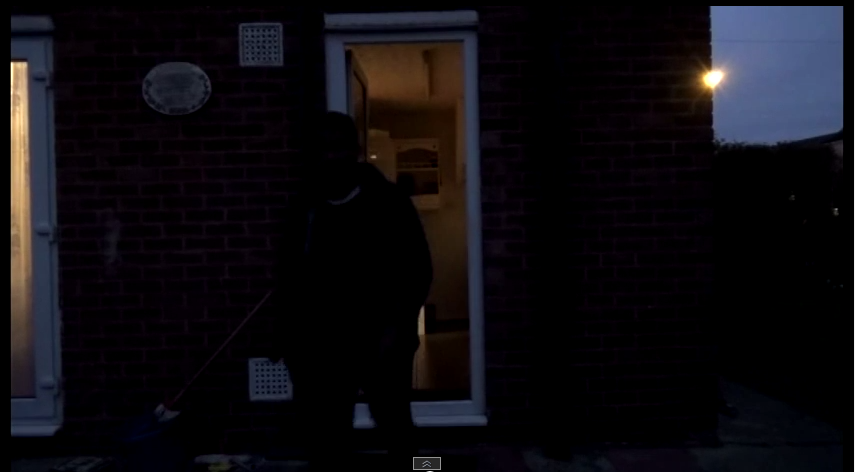 The third production meeting was the meeting that we decided to reshoot certain parts of our Thriller Opening that we discovered weren't great. The problems were either it being to dark to film outside in certain parts, or the shots of Destiny speaking only being from one angle. Another shot that had to be redone was Azimul bargaining for Sam's safety, where in the first draft Azimul was not very convincingly sad. Luckily we were helping out another group with their Thriller, and we could use that time to film that one scene and make the sequence more convincing.
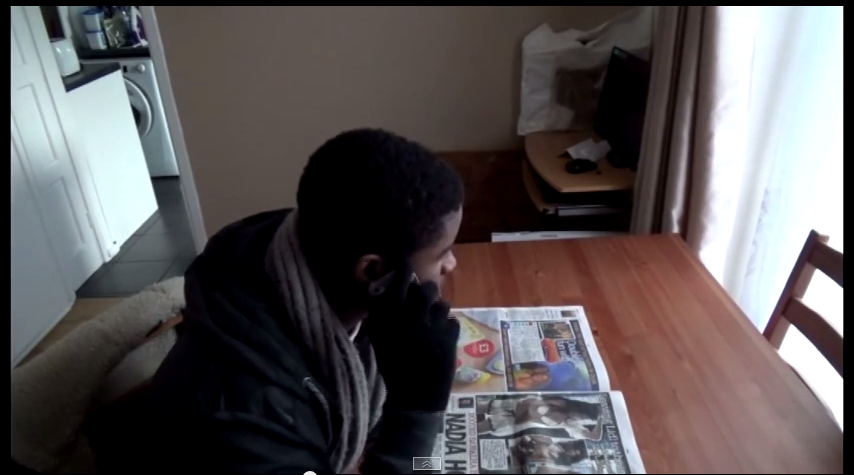 This meeting took place after the first draft was published, giving us the opportunity to realise our problems by the time the final draft was due.
First Draft/Evaluation
As our first draft, we knew that there would be some aspects to it that would need changing and redoing. There are some shots that run for too long, and during Destiny's scene of talking to Azimul, we only used one shot the entire length of the conversation. There were also problems due to lighting, and from the short amount of time we were filming the light became dark, and what only is about two minutes of actual footage looks like it took the majority of the day.
Despite this, while only a first draft, out group is fairly happy with the result.
Styles of editing
Thrillers, such as 'Birdemic: Shock and Terror' generally have a certain pace and style of editing about them. While these styles and techniques are used by other genres, almost all thrillers contain these handful of techniques.
One technique that is used by thrillers is the pace of editing in certain shots. In action or important points of the story, the duration that a single shot will last on the screen will be considerably shorter than a shot during a phone call shot, for example. This technique is either to build tension and adrenaline with the audience, making action scenes appear far more frantic and movement based than if the shots were longer. On the other hand, longer shots are used at times where the protagonist is in no danger, or at calmer times of the story. This is to make the audience more secure and be lulled into safety, the same applies to the pace of the music in a shot.
When one shot moves to the next, it is called a transition. These transitions take multiple forms and can be used to represent different things.
The most common transition is a straight cut, whereby the shot abruptly ends and is replaced instantly with the next shot. This is the most common as it is the only shot that doesn't break immersion and keeps the audience focused on the film.
A second transition style that is used in film is a fade, whereby the screen gradually turns either all white or all black, generally to show falling unconscious or becoming conscious, or to give the audience the feeling of a long time passing.
Dissolves are shown when two separate shots are literally merged together, meaning that there is a time where the two shots are simultaneously on screen. This technique is used to show a connection between two places, people or objects, or to give the audience a clue as to what may happen later in in the film.
The wipe is not used regularly in modern film, as it breaks continuity and doesn't look particularly professional. The wipe is where one screen pushes another off screen, and will often symbolize the passage of time moving.
A Graphic Match is the technique whereby the film makers place two shots consecutively in order to create a smooth transition between them. This is done by placing certain objects in the frame of the first shot, then having something in the second shot with the same shape in the same location, and while everything else on the screen changes by the transition, that one object or persons figure stays the same.
Finally a Jump cut is done by filming something, then filming the same thing from a different angle, often showing the pass of time or to seem as though a chunk of the scene has been removed from the middle., and we see the beginning and the end of the shot.
One technique that is used by thrillers is the pace of editing in certain shots. In action or important points of the story, the duration that a single shot will last on the screen will be considerably shorter than a shot during a phone call shot, for example. This technique is either to build tension and adrenaline with the audience, making action scenes appear far more frantic and movement based than if the shots were longer. On the other hand, longer shots are used at times where the protagonist is in no danger, or at calmer times of the story. This is to make the audience more secure and be lulled into safety, the same applies to the pace of the music in a shot.
When one shot moves to the next, it is called a transition. These transitions take multiple forms and can be used to represent different things.
The most common transition is a straight cut, whereby the shot abruptly ends and is replaced instantly with the next shot. This is the most common as it is the only shot that doesn't break immersion and keeps the audience focused on the film.
A second transition style that is used in film is a fade, whereby the screen gradually turns either all white or all black, generally to show falling unconscious or becoming conscious, or to give the audience the feeling of a long time passing.
Dissolves are shown when two separate shots are literally merged together, meaning that there is a time where the two shots are simultaneously on screen. This technique is used to show a connection between two places, people or objects, or to give the audience a clue as to what may happen later in in the film.
The wipe is not used regularly in modern film, as it breaks continuity and doesn't look particularly professional. The wipe is where one screen pushes another off screen, and will often symbolize the passage of time moving.
A Graphic Match is the technique whereby the film makers place two shots consecutively in order to create a smooth transition between them. This is done by placing certain objects in the frame of the first shot, then having something in the second shot with the same shape in the same location, and while everything else on the screen changes by the transition, that one object or persons figure stays the same.
Finally a Jump cut is done by filming something, then filming the same thing from a different angle, often showing the pass of time or to seem as though a chunk of the scene has been removed from the middle., and we see the beginning and the end of the shot.
Shooting Schedule
Shooting Schedule
Day
|
Scene
|
Location
|
Equipment
|
Costumes
|
Props
|
Cast +Crew
|
1:
2:
3:
|
Opening scene with telephone conversation.
Scene walking down the path and shed.
Reshooting of the scene where walking down the path.
|
Sams house.
Sams house.
Sams house and garden path.
|
Camera, tripod, microphone.
Camera, Tripod, Microphone.
Camera, Tripod, Microphone. |
Destiny wearing generic clothing.
Destiny in the same clothing, Sam in "rags".
Destiny in same generic clothing.
|
Newspaper.
Sam taped up in the chair, Torch.
No props really.
|
Destiny and azimul.
Destiny and Sam.
Just Destiny. |
Treatment
Treatment
Group roles:
Cinematography: *James
Mise-en-scene: Destiny, Sam
Sound: *Azimul
Editing: Jack, Destiny
Title of movie:
Patience
Movie synopsis:
The films main plot is based on a kidnapping of a man who is being held ransom. The mans friend contacts the kidnapper in attempt to barter with the man, only to find out that the amount of money the friend has collected is not enough. After hanging up, the kidnapper consults the kidnapped man explaining his situation and leaves, where the title of the film appears and ends the opening.
Genres:
Thriller, Drama, Crime
* Both Azimul and James are not part of our group but helped us with it in exchange for our help with their media product.
Subscribe to:
Posts (Atom)